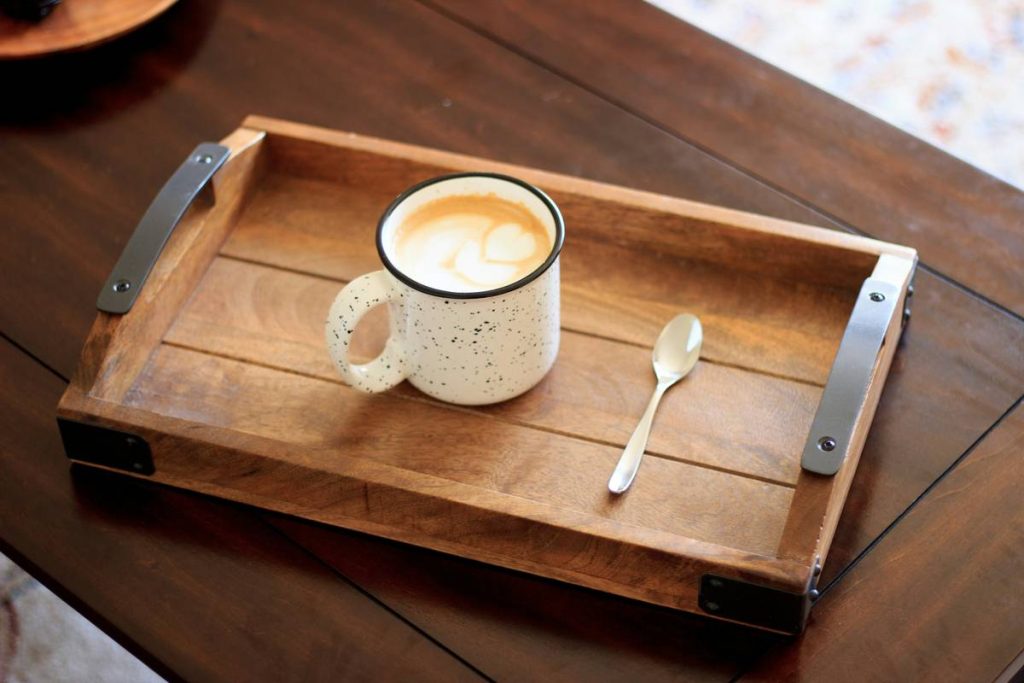
Ever set a beautifully arranged charcuterie board on a flimsy plastic tray—only for it to buckle under the weight of your fancy cheeses and artisanal crackers? Yeah, we’ve all been there. In home decor, wood serving trays home decor isn’t just about aesthetics; it’s about function, durability, and creating moments that feel intentional. Whether you’re styling a coffee table, organizing bathroom essentials, or elevating your next dinner party, the right wooden tray can be a game-changer. In this guide, we’ll walk you through exactly how to choose, style, and care for wood serving trays—without falling into common traps that ruin both looks and longevity.
Table of Contents
- Why Wood Serving Trays Matter in Home Improvement
- Step-by-Step Guide to Choosing & Styling Your Tray
- Best Practices for Long-Lasting Wood Trays
- Real-World Examples That Work
- Frequently Asked Questions
Key Takeaways
- Hardwood trays (like teak or walnut) outlast softwoods and resist warping.
- Never soak wooden trays—hand wash only with mild soap and dry immediately.
- Use trays as functional decor: organize remotes, display candles, or serve snacks.
- Avoid placing hot pans directly on wood—it can scorch or crack the surface.
- Style with odd-number groupings (3 or 5 items) for visual balance.
Why Wood Serving Trays Matter in Home Improvement
In the world of home improvement, small details create big impact. A well-placed wood serving trays home decor piece bridges utility and elegance—turning chaotic countertops into curated vignettes. Unlike metal or acrylic, wood adds warmth and texture that complements nearly every interior style, from Scandinavian minimalism to rustic farmhouse.
I learned this the hard way. Once, I bought a cheap plywood tray from a discount store, loaded it with wine glasses and a chilled bottle, and watched it warp within minutes from condensation. Not only did it look sad, but moisture seeped into the finish, leaving permanent stains. Lesson? Material matters. According to the USDA Forest Products Laboratory, hardwoods like maple and cherry have natural oils and tight grain structures that resist moisture absorption far better than engineered woods.
Step-by-Step Guide to Choosing & Styling Your Tray
Pick the Right Wood Type
Opt for sustainably sourced hardwoods. Teak is water-resistant; walnut offers rich grain; bamboo is eco-friendly and durable. Avoid trays labeled “wood veneer” or “MDF core”—they won’t hold up over time.
Measure Your Space
A tray should fit comfortably on your surface without crowding. For coffee tables, 16–20 inches works best. Kitchen islands? Go larger (22–24 inches).
Style with Purpose
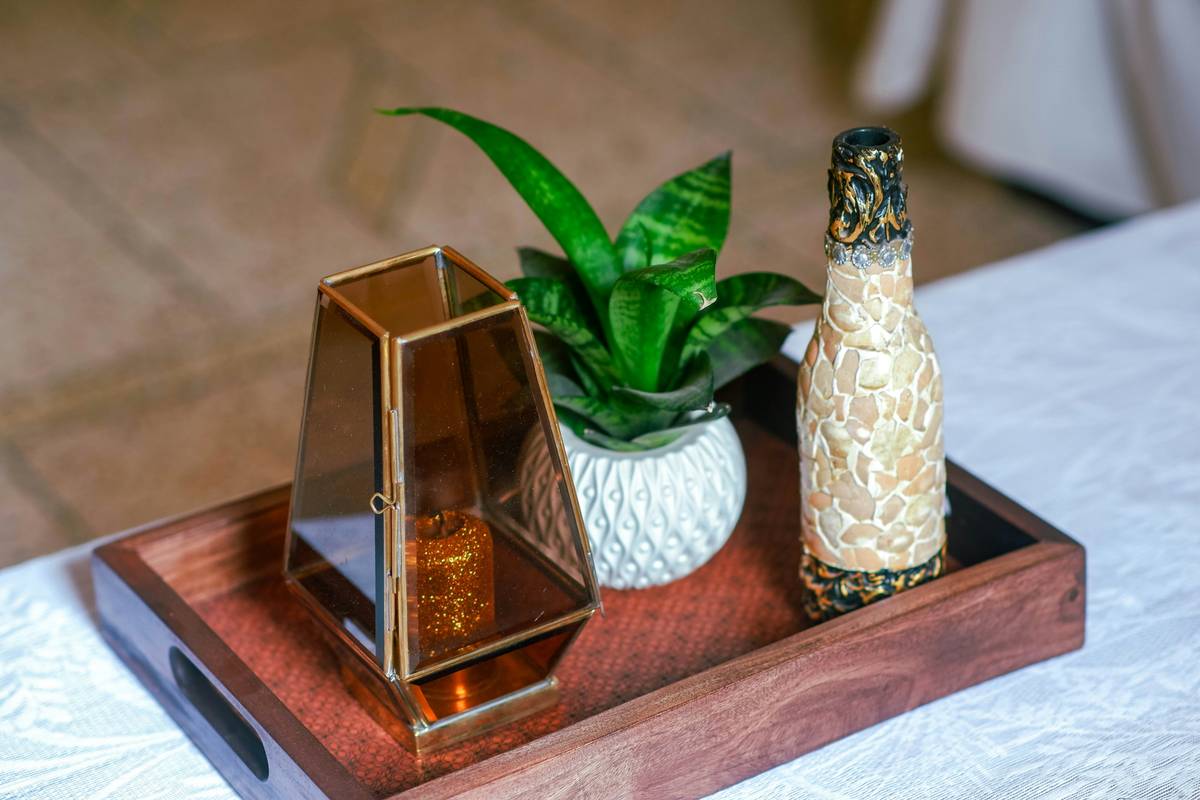
Don’t just toss things on. Group items by function or theme: reading nook (book + reading glasses + coaster), bathroom (soap + lotion + loofah), or bar cart (bottle + opener + coasters). Remember: odd numbers create harmony.
Best Practices for Long-Lasting Wood Trays
- Clean gently: Wipe with a damp cloth and mild dish soap. Never submerge.
- Oil monthly: Use food-safe mineral oil to maintain luster and repel moisture.
- Rotate usage: Don’t use the same tray daily for hot items—reserve one for serving, another for decor.
- Avoid direct sun: Prolonged UV exposure can fade and dry out wood fibers.
And here’s a terrible tip you’ll see online: “Just seal it with polyurethane for extra protection.” Don’t. Polyurethane isn’t food-safe and can chip over time, leaching chemicals onto food surfaces. Stick to natural oils.
Real-World Examples That Work
A 2023 interior design survey by the American Society of Interior Designers found that 68% of designers use wood trays to “anchor” floating shelves or console tables—creating focal points without visual clutter. One client transformed her entryway by placing a walnut tray near the door to corral keys, mail, and sunglasses. Not only did it reduce countertop chaos, but guests consistently complimented the “thoughtful” touch. Another used a round acacia tray in the living room to group remote controls—a mundane fix that boosted perceived home value during staging.
Frequently Asked Questions
Can I use wood serving trays for hot dishes?
Not directly. Always place a trivet or heat-resistant pad underneath. Direct heat can crack or scorch wood.
How often should I re-oil my wood tray?
Once a month if used weekly. Less if purely decorative. Look for dryness or dullness as cues.
Are bamboo trays as good as hardwood?
Bamboo is technically a grass but performs like hardwood. It’s sustainable, durable, and great for casual use—but may lack the deep grain of walnut or teak.
Where can I buy high-quality wood serving trays?
Look for artisans on Etsy, local woodworkers, or reputable home goods stores. Avoid mass-market retailers with vague material descriptions.
Do wood trays attract pests?
Only if left with food residue. Always clean thoroughly. Properly maintained trays pose no risk.
Ready to elevate your space with timeless, functional beauty? Explore our full collection or contact us for personalized styling advice. And learn more about our commitment to quality craftsmanship on our About Us page. We respect your privacy—read our full Privacy Policy for details on data handling.
Remember: a tray isn’t just for carrying. It’s for curating calm in a chaotic world—one candle, one key, one cheese wedge at a time.