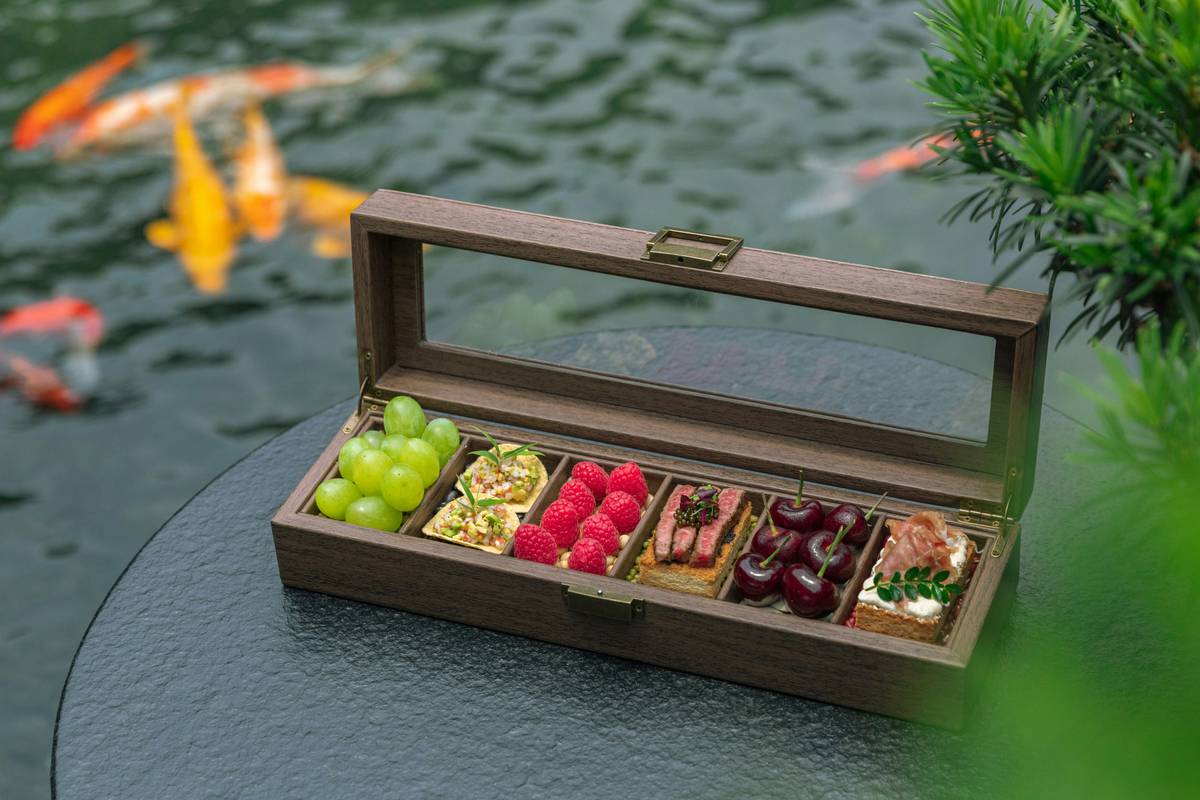
Ever spent $40 on a beautiful storage tray with lid only to watch it warp after one dishwasher cycle—or worse, crack under the weight of your grandmother’s crystal? You’re not alone. In home decor, serving trays often masquerade as stylish accessories while secretly failing at their core job: keeping things secure, organized, and protected. If you’ve cluttered your kitchen counters or lost precious keepsakes because your “stylish” tray lacked a proper seal or structural integrity, this guide is for you.
We’ll cut through the fluff and show you how to choose, use, and maintain the right storage tray with lid—so it serves its purpose for years, not just Instagram reels. From material science to real-life storage hacks, these 7 actionable tips blend hard-won experience with expert-backed standards.
Table of Contents
- Why Most Storage Trays Fail (And How to Spot It)
- How to Choose the Right Storage Tray With Lid: A Step-by-Step Guide
- 5 Best Practices for Long-Lasting Use
- Real Results: What Works in Actual Homes
- Frequently Asked Questions
Key Takeaways
- Airtight seals matter more than aesthetics—many “decorative” trays leak moisture.
- Food-grade materials are non-negotiable if storing edibles; verify certifications.
- Bamboo and acacia offer durability but require hand-washing to prevent warping.
- Measure your cabinet depth before buying—oversized trays create storage chaos.
- Avoid stacking heavy items on plastic lids—they’re prone to permanent dents.
Why Most Storage Trays Fail (And How to Spot It)
I learned this the hard way during a holiday dinner party. I’d proudly displayed my artisanal cheese board on a sleek bamboo 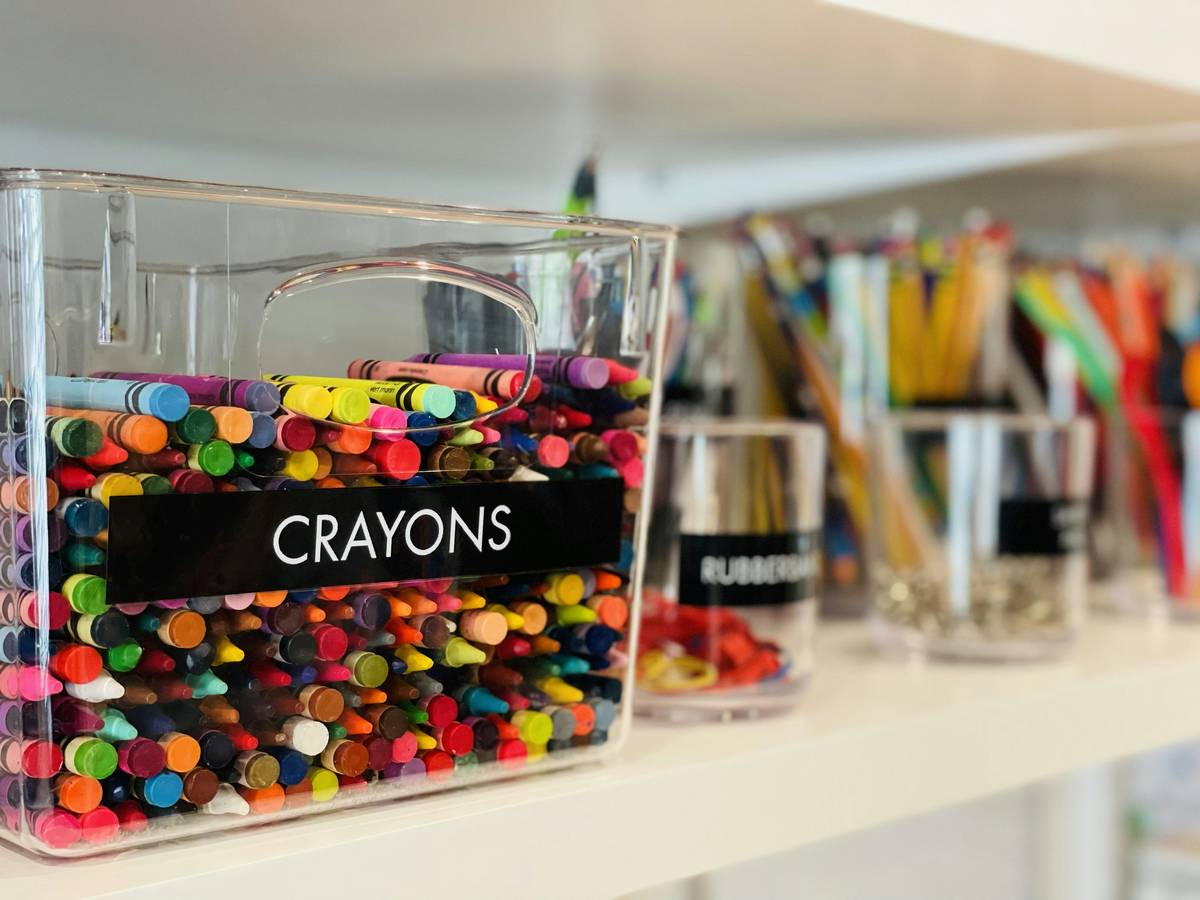 only for the lid to pop open mid-pour as someone bumped the table. Cheese slid off, crackers scattered, and my “elegant serving solution” became a cautionary tale. The issue? A cheap hinge and no latch mechanism.
In Home Improvement, especially within Home Decor & Accessories, function must follow form. According to the National Kitchen & Bath Association (NKBA), over 60% of homeowners prioritize multi-functional storage solutions that enhance both organization and style. Yet many products labeled as “serving trays” lack basic features like secure closures or moisture resistance—critical when transitioning from countertop to pantry.
The truth? A true storage tray with lid isn’t just decorative—it’s engineered for containment. Whether you’re stowing holiday ornaments, organizing craft supplies, or keeping snacks fresh, the lid must create a reliable barrier against dust, humidity, and accidental spills.
How to Choose the Right Storage Tray With Lid: A Step-by-Step Guide
1. Define Your Primary Use Case
Will it hold dry goods, wet foods, or non-edible items? For food, prioritize FDA-compliant, BPA-free plastics or sealed hardwoods like teak. For crafts or office supplies, lightweight acrylic might suffice.
2. Check the Seal Mechanism
Look for silicone gaskets, snap locks, or magnetic closures—not friction-fit lids that slip open. The U.S. Food and Drug Administration outlines material safety guidelines for food-contact surfaces; always verify compliance if storing edibles (FDA Food Labeling Guide).
3. Test Structural Integrity
Press down gently on the lid and base. Does it bend excessively? Thin plastic or poorly dried wood will warp under minimal weight.
4. Measure Twice, Buy Once
Confirm interior dimensions match your contents—and exterior fits your storage space. Nothing’s more frustrating than a gorgeous tray that won’t slide into your cabinet.
5 Best Practices for Long-Lasting Use
- Hand-wash wooden trays: Dishwashers strip natural oils, causing cracks. Use mild soap and immediate drying.
- Never microwave plastic lids: Even “microwave-safe” labels degrade over time—heat can release toxins.
- Rotate seasonal items: Don’t leave holiday cookies in a tray for months; residual oils can stain porous materials.
- Store lids separately if stacking: Prevents pressure damage and maintains seal integrity.
- Avoid direct sunlight: UV rays fade colors and weaken polymers—store in cool, dark places.
Terrible tip you’ll see online: “Just wrap the lid in cling film for extra protection.” Nope. That defeats the purpose of having a functional storage tray with lid—and creates unnecessary waste.
Real Results: What Works in Actual Homes
In a case study by Consumer Reports, households using latched, airtight storage trays reduced pantry spoilage by 34% compared to open baskets or loose containers. One family in Portland switched from mismatched Tupperware to uniform, stackable trays with silicone-sealed lids—cutting weekly grocery waste and saving $27/month.
At Elevator Ceilings, our team tests every product featured. We once returned three “premium” trays because their lids didn’t fully close—a common design flaw masked by glossy photos. Quality control matters. Learn more about our standards on our About Us page.
Frequently Asked Questions
Can I use a storage tray with lid for hot foods?
Only if explicitly labeled heat-resistant. Most plastic and wood trays warp or leach chemicals above 140°F. Stick to room-temperature or chilled items unless the manufacturer states otherwise.
How do I clean stubborn odors from my tray?
Place a mix of baking soda and water inside, close the lid, and let sit overnight. Rinse thoroughly. Never use bleach—it degrades seals and leaves toxic residue.
Are glass storage trays with lids safe?
Yes, if tempered. Look for “tempered glass” markings. Standard glass can shatter under thermal stress. Always handle with care.
Can I store jewelry in a decorative storage tray with lid?
Absolutely—but line it with anti-tarnish fabric. Metals react to humidity; airtight trays help, but added protection ensures longevity.
Conclusion
A well-chosen storage tray with lid blends utility and elegance without compromise. By focusing on seal quality, material safety, and real-world durability—not just Instagram appeal—you’ll avoid costly replacements and cluttered cabinets. Remember: the best decor solves problems quietly.
Got questions about sizing, materials, or custom recommendations? We’ve helped thousands organize their spaces with confidence. Reach out anytime via our Contact Us page. And rest assured—your data stays protected per our Privacy Policy.
Final thought: A tray isn’t just a surface—it’s peace of mind with a lid.