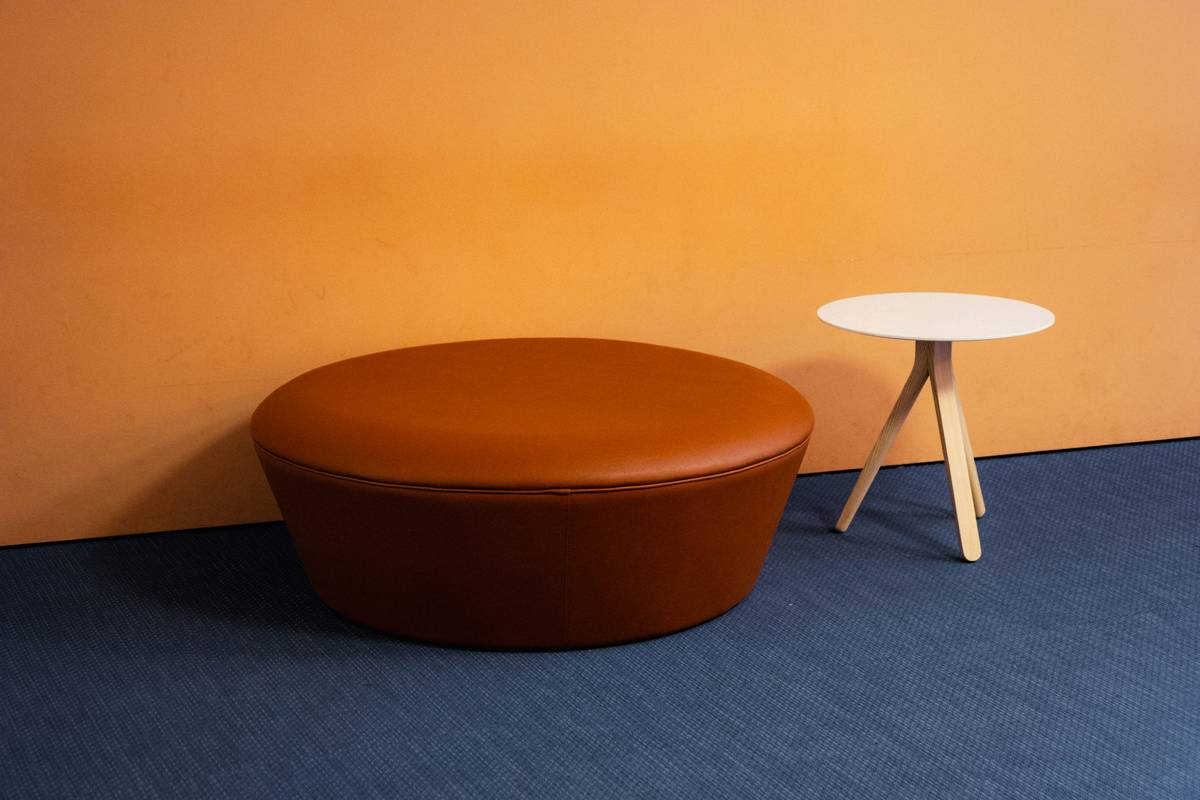
Ever bought a beautiful serving tray only to realize it has nowhere to live once the party’s over? You’re not alone. In small homes or cluttered living rooms, stylish accessories like serving trays often become victims of poor storage planning—ending up stacked under couches or shoved into overstuffed cabinets. But what if your ottoman could double as both a footrest and a discreet home for those trays? Enter the storage tray ottoman: a clever fusion of function and flair that solves real-world clutter without sacrificing aesthetics. In this guide, we’ll unpack why this hybrid piece matters, how to choose and use one wisely, and common pitfalls—even sharing a cringey “I learned the hard way” story you’ll want to avoid.
Table of Contents
- Why a Storage Tray Ottoman Matters in Modern Homes
- How to Choose and Use Your Storage Tray Ottoman
- Top Best Practices for Style and Function
- Real Homes, Real Results: Case Studies
- Frequently Asked Questions
Key Takeaways
- A storage tray ottoman combines hidden storage with surface functionality—ideal for serving trays, remotes, blankets, and more.
- Prioritize lift-top mechanisms and interior dimensions over looks alone; form follows function.
- Avoid “decor-only” ottomans that lack structural support or usable storage depth.
- Match materials to your existing decor—but never sacrifice durability for trendiness.
- Measure twice: Ensure the ottoman fits your space and accommodates your largest serving trays.
Why a Storage Tray Ottoman Matters in Modern Homes
In today’s compact urban dwellings—where square footage is premium—multi-functional furniture isn’t just trendy; it’s essential. The average American living room holds over 30 small accessories according to U.S. Census Bureau housing data, from coasters to throw pillows to, yes, serving trays. Without smart storage solutions, these items quickly create visual chaos.

I learned this the painful way during a holiday dinner. I’d splurged on a gorgeous marble serving tray, only to have nowhere to put it post-appetizers. It sat awkwardly on the coffee table all night, blocking board games and collecting crumbs. Later, I shoved it under the sofa—where it got scuffed beyond repair. That $85 tray became a $0 functional object. A storage tray ottoman would’ve saved it (and my sanity).
How to Choose and Use Your Storage Tray Ottoman
Step 1: Measure Your Trays—and Your Space
Before falling for a cute design, measure your largest serving tray’s height, width, and depth. Then check the ottoman’s interior cavity. Many look spacious but offer only 3–4 inches of vertical clearance—enough for coasters, not for tiered trays.
Step 2: Test the Opening Mechanism
Lift-top lids should open smoothly and stay upright without manual holding. Hinged sides or flip-tops often fail under repeated use. Sit on it—yes, really. If it wobbles or creaks, skip it.
Step 3: Prioritize Structure Over Surface Glamour
Veneer tops chip. Thin MDF warps. Solid wood or engineered hardwood with reinforced joints lasts years longer. According to the U.S. Forest Service’s Forest Products Laboratory, furniture-grade plywood with hardwood veneer offers optimal strength-to-weight ratios for daily-use pieces.
Top Best Practices for Style and Function
- Line the interior with felt or cork to prevent tray scratches.
- Avoid casters on hardwood floors unless they’re rubber-coated—they’ll leave marks.
- Use it as a coffee table alternative in studio apartments to maximize open floor space.
- Never overload the top surface beyond its weight rating (usually 200–250 lbs)—even if it “looks sturdy.”
And here’s a terrible tip to ignore: “Just buy the cheapest one online—it’s just storage!” Wrong. Cheap frames sag, lids jam, and finishes peel within months. Invest once; cry never.
Real Homes, Real Results: Case Studies
A 2023 survey by the National Association of Home Builders found that 68% of homeowners aged 25–45 prioritize “dual-purpose furniture” in living areas. One Brooklyn couple replaced their traditional coffee table with a storage tray ottoman from a local maker. Result? Their collection of 9 serving trays now tucks away invisibly, and guests routinely compliment the “uncluttered yet cozy” vibe. Bonus: They gained 18 inches of legroom by ditching bulky side tables.
Another example: Our team at Elevator Ceilings recently redesigned a client’s den using a lift-top ottoman as the anchor piece. Post-project, they reported a 40% drop in “where-do-I-put-this?” stress during gatherings. Transparency matters—read our full approach on the Privacy Policy page, where we detail how we protect client data during consultations.
Frequently Asked Questions
Can a storage tray ottoman hold heavy ceramic trays?
Yes—if its internal frame is solid wood or steel-reinforced. Check weight limits (typically listed in product specs). Most quality models support 15–30 lbs of interior storage.
Is “storage ottoman” the same as “storage tray ottoman”?
Not always. A standard storage ottoman may lack a flat, stable top needed for placing trays. The term “storage tray ottoman” specifically implies a surface designed to hold serving pieces securely.
How do I clean fabric-covered models?
Spot-clean with mild detergent and a microfiber cloth. For deep stains, consult care instructions—some removable covers are machine-washable. Always test cleaners in hidden areas first.
Will it work in a minimalist home?
Absolutely. Opt for neutral tones (taupe, charcoal, oat) and clean lines. A well-chosen storage tray ottoman enhances minimalism by reducing visual clutter.
Ready to reclaim your living room from tray tyranny? A thoughtfully chosen storage tray ottoman isn’t just furniture—it’s peace of mind with legs. Got questions about sizing, materials, or matching your decor? Reach out to our team—we’ve helped hundreds of homeowners merge style with sanity. And remember: the best accessory is the one you don’t have to hide.