Ever hosted a gathering only to fumble with mismatched coasters, wobbly wine glasses, and a stack of napkins that flew away like startled pigeons? You’re not alone. The humble serving tray is the unsung hero of home entertaining—and interior styling. Yet most people treat it as an afterthought, grabbing whatever’s handy (yes, even that dusty picture frame turned sideways). In this guide, we’ll show you how to elevate your space and service game using smart, stylish trays that do double duty as functional decor. From material choices to placement pitfalls, these actionable tips blend aesthetics with practicality—so your next charcuterie board doesn’t end up on the floor.
Table of Contents
- Why Serving Trays Matter in Home Improvement
- Step-by-Step Guide to Styling with Serving Trays
- Top 5 Best Practices for Serving Tray Home Decor
- Real-World Examples & Results
- Frequently Asked Questions
Key Takeaways
- Serving trays reduce clutter while adding curated charm to shelves, coffee tables, and consoles.
- Material choice impacts both style and function—bamboo for rustic warmth, marble for luxury, metal for modern edge.
- Avoid overcrowding; use the “rule of three” for balanced arrangements.
- Rotate trays seasonally to refresh your decor without major renovations.
- A well-placed tray can increase perceived home value by enhancing visual tidiness—critical during viewings.
Why Serving Tray Home Decor Matters in Home Improvement
In home improvement, we often chase big-ticket items: new countertops, smart lighting, custom cabinetry. But subtle touches—like thoughtfully styled serving trays—deliver disproportionate impact for minimal investment. According to the National Association of Realtors, staged homes sell faster and for up to 6% more than unstaged ones (NAR, 2023). Trays help “stage” everyday surfaces by corralling remotes, candles, or perfume bottles into intentional vignettes.
I learned this the hard way. Once, I hosted a dinner party and used a flimsy plastic tray from my college days. Halfway through pouring rosé, it cracked under the weight of a pitcher—and shattered on my new rug. Lesson? Durability isn’t optional. Your tray must support real life, not just photo shoots.
Step-by-Step Guide to Styling with Serving Trays
1. Choose the Right Size & Shape
Measure your surface first. A tray should occupy ⅔ to ¾ of your coffee table or console width. Round trays soften angular furniture; rectangular ones echo clean lines.
2. Pick Material That Matches Your Vibe
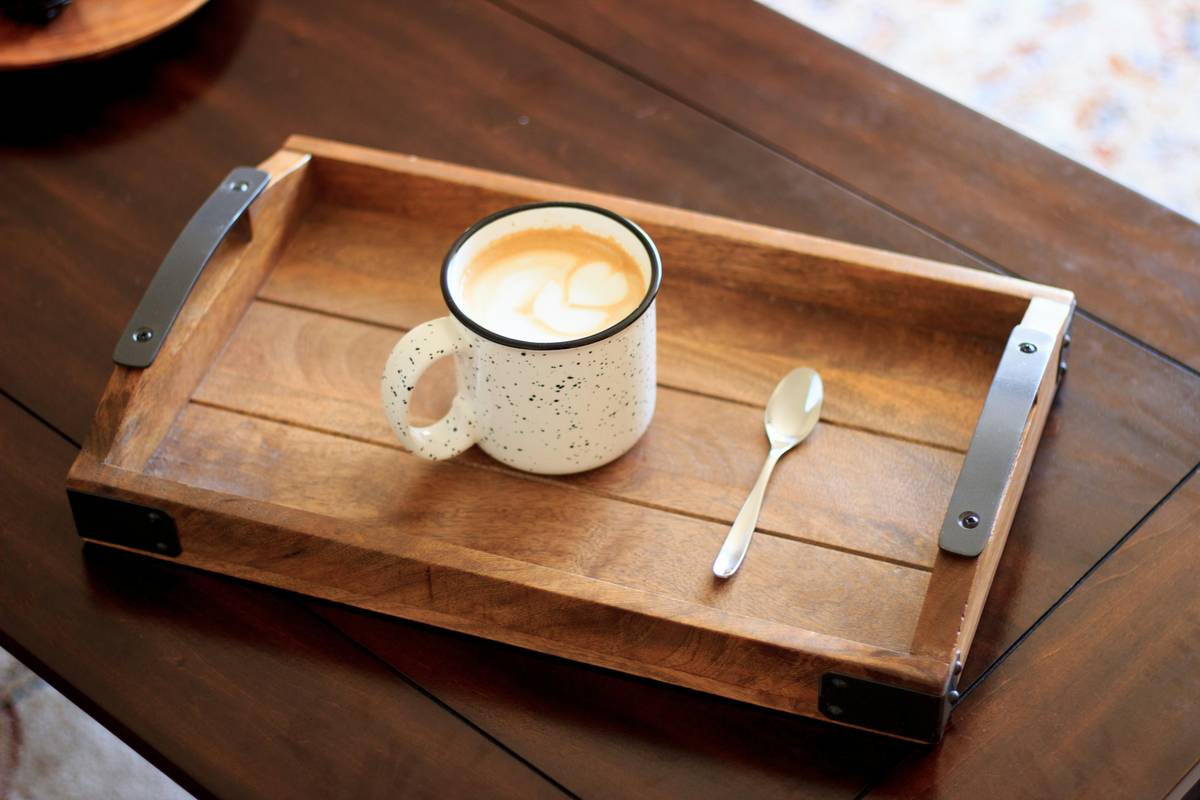
For farmhouse kitchens: reclaimed wood. Mid-century spaces: brushed brass. Coastal bedrooms: woven seagrass. Consistency prevents visual chaos.
3. Layer with Purpose
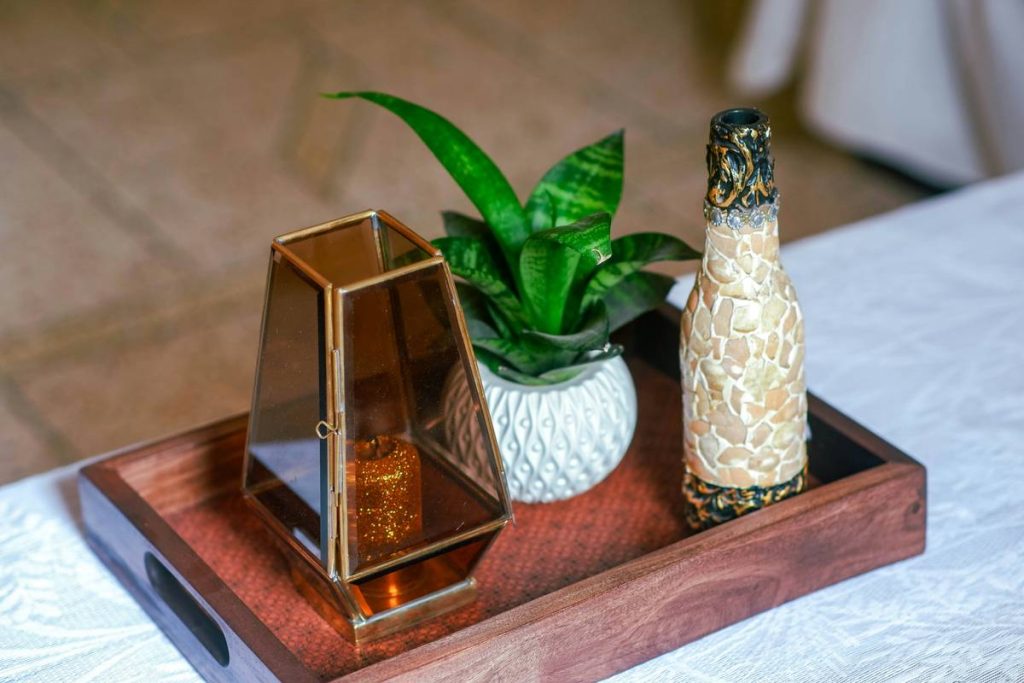
Start with height variation: place a small vase or candle in back, shorter items like matches or coasters in front. Add texture with a linen napkin underneath.
4. Edit Ruthlessly
If you can’t explain why an item is there, remove it. Clutter defeats the tray’s organizing purpose.
Top 5 Best Practices for Serving Tray Home Decor
- Rotate seasonally: Swap out pumpkins for pinecones or shells for snow globes to keep decor fresh.
- Use trays beyond serving: Organize bathroom essentials (hand soap, cotton balls) or desk supplies.
- Avoid glossy finishes in high-sun areas: They glare and show water rings instantly.
- Mix metals—but carefully: Stick to one dominant metal tone per room to avoid “jewelry box explosion.”
- Clean gently: Never soak wooden trays. Wipe with damp cloth and dry immediately (USDA food safety guidelines apply even to decor used for snacks!).
Real-World Examples & Results
One client transformed her dull entryway using a single black iron tray. She placed keys, a small succulent, and mail inside—suddenly, chaos looked curated. Within a month, she reported guests complimenting her “designer touch,” and when she listed her apartment, the staging agent kept the tray setup intact. Another example: a study by the University of Minnesota found that organized surfaces reduce cognitive load, making rooms feel larger and calmer—a psychological boost no paint color can replicate.
Here’s a terrible tip I’ve heard: “Just pile everything on one giant tray.” No. Overloading creates visual noise. A tray should simplify, not amplify mess.
And my pet peeve? When influencers style trays with 17 tiny objects like miniature typewriters and faux taxidermy owls. Real homes aren’t museums. Keep it livable.
Frequently Asked Questions
Can I use a serving tray as wall decor?
Yes! Mount a decorative tray horizontally with D-rings. Just ensure it’s lightweight and securely anchored—especially in earthquake-prone zones (FEMA guidelines recommend secure mounting for wall objects).
What’s the best material for outdoor serving trays?
Teak or powder-coated metal. They resist moisture and UV damage better than bamboo or untreated wood.
How do I prevent scratches on marble trays?
Always use felt pads under glassware or ceramic items. Marble etches easily from acidic liquids like lemon juice or vinegar.
Are vintage trays safe for food use?
Not always. Older lacquered or painted trays may contain lead. Test with a lead swab kit before serving edibles. When in doubt, use them for decor only.
Where should I buy quality serving trays?
Look for artisan markets, reputable retailers like West Elm or Crate & Barrel, or check our About Us page—we occasionally collaborate with ethical homeware makers.
Does serving tray home decor really affect resale value?
Indirectly, yes. It contributes to overall staging quality, which buyers associate with care and maintenance—key trust signals.
Conclusion
Serving tray home decor isn’t about perfection—it’s about presence. A well-chosen tray says, “This home is loved, lived-in, and thoughtfully arranged.” Whether you’re hosting brunch or just taming your nightstand, these small platforms deliver outsized returns in style and sanity. Ready to upgrade your space without renovation stress? Contact us for personalized styling advice—or just to share your tray triumphs (and disasters!). And remember: if your privacy concerns arise while sharing personal decor preferences, review our Privacy Policy.
One tray, ten possibilities—zero excuses for clutter.